
The Revolution’s Expanding Violence
Doctor ZhivagoThis flow follows political unrest as it shifts from protest and promise into competing armed powers and coercive rule.
increasing Bearing strength in each event
 decreasing
Bearing strength in each eventdecreasingRailway Workers Strike
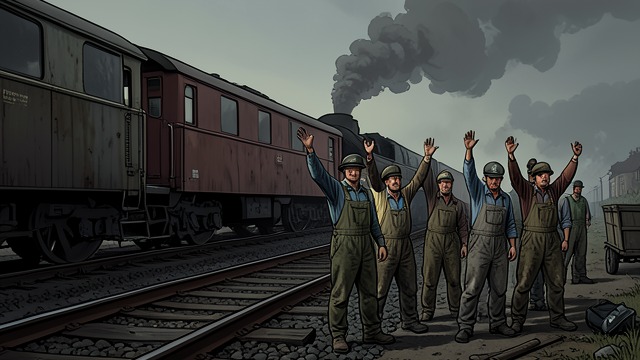
Railway Workers Strike
Labor turns political
The strike spreads along the Moscow-Brest Railway after workers confront abuses and management indifference.
Kuprian Savelievich Tiverzin helps set the stoppage in motion.
Collective action briefly appears capable of changing ordinary life.
Demonstration and Massacre
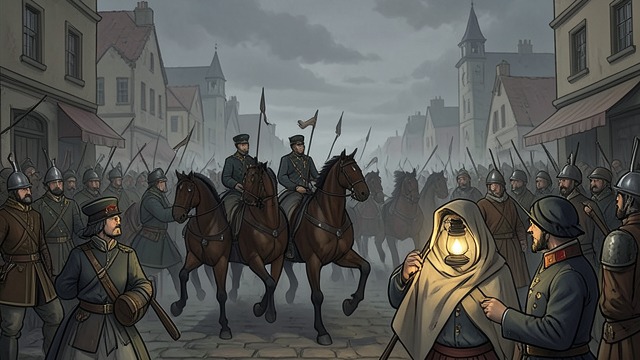
Demonstration and Massacre
Freedom meets force
A demonstration following the October Manifesto gathers workers, students, and families in Moscow.
Dragoons attack the procession, and Marfa Gavrilovna Tiverzina searches the streets for Pasha.
The promise of reform is marked by bloodshed.
The February Upheaval
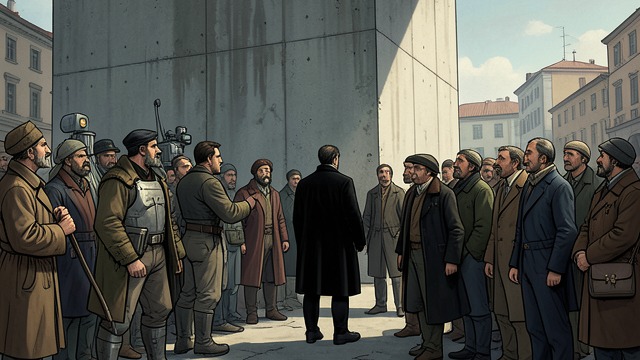
The February Upheaval
Authority loosens
War exhaustion and political breakdown weaken the old order.
Soldiers and civilians encounter new freedoms alongside uncertain authority.
The revolution opens possibilities without establishing a stable settlement.
October Street Fighting
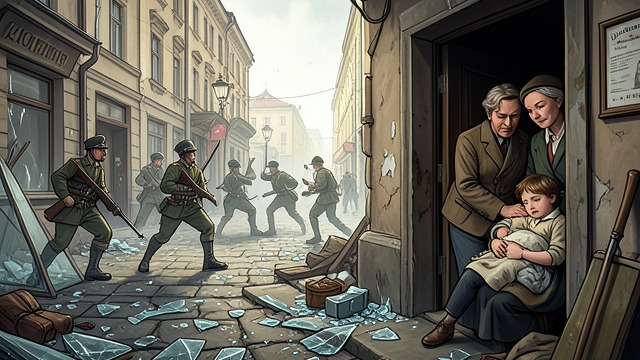
October Street Fighting
Power changes hands
Armed clashes divide Moscow as cadets and soldiers fight for control.
The Zhivago household shelters through the violence while the family tends a sick child.
The new government arrives amid fear, not orderly transition.
Civil War’s Aftermath
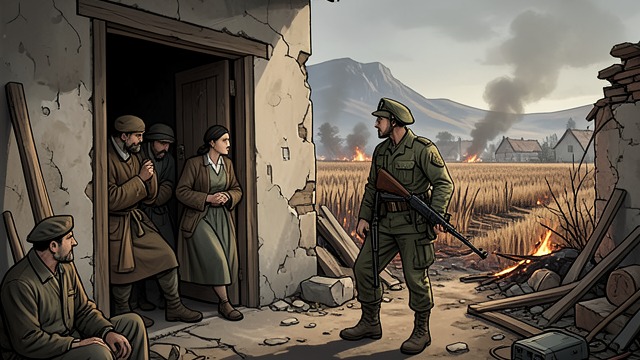
Civil War’s Aftermath
Violence becomes routine
Red and White forces leave famine, displacement, and ruined settlements in their wake.
Civilians face requisitions and reprisals whichever army holds their district.
The conflict’s human cost persists after fronts move on.
October 1905
November 1905
February 1917
October 1917
the early 1920s
